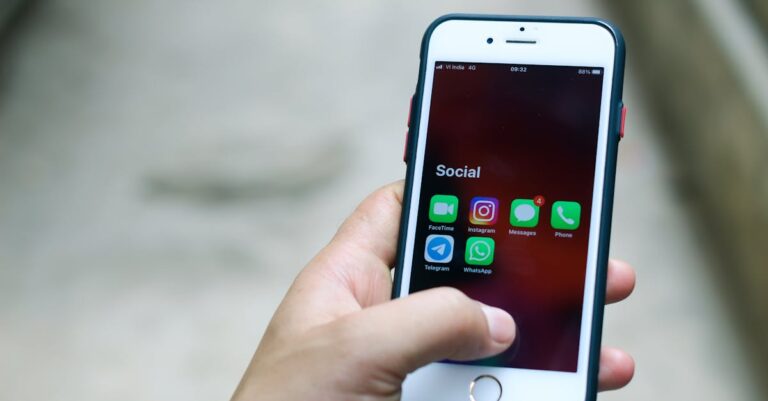
In a world where losing your phone feels like losing a limb, knowing how to add a device on Find My iPhone is a game changer. Imagine this: you’re frantically searching the couch cushions while your phone giggles at you from the depths of oblivion. But fear not! With a few simple steps, you can ensure that your devices are always within reach—even if they decide to play hide and seek.
Table of Contents
ToggleUnderstanding Find My iPhone
Find My iPhone is a feature that helps users track and protect their Apple devices. This system utilizes GPS and internet connectivity to locate missing devices. Tracking becomes essential for users who experience lost devices, as it provides peace of mind.
Activation requires users to sign in with their Apple ID. Each device must be enabled for Find My iPhone in their settings. Accessing this feature allows users to see the last known location of their device on a map. Additionally, users can play a sound, lock the device, or erase it remotely.
Find My iPhone is part of Apple’s broader Find My application that includes tracking all Apple devices. Multiple devices can be added to a single Apple ID. This integration allows users to manage explanations easily, showing all registered devices in one place.
For effective tracking, users must ensure devices are connected to Wi-Fi or cellular networks. If a device is offline, the last known location still appears on the map. Notifications can alert users when the device comes back online.
Privacy is a priority with Find My iPhone. Users must enable certain settings to share their device’s location. Only the device owner can access location data, ensuring security and confidentiality.
Understanding Find My iPhone enables users to act quickly in securing their devices. This tool proves invaluable in simplifying the process of locating lost devices, fostering confidence and reassurance among users.
Prerequisites for Adding a Device
Adding a device to Find My iPhone requires meeting specific conditions. Users must ensure devices are compatible and Apple IDs are correctly set up.
Compatible Devices
Find My iPhone is suitable for various Apple devices. iPhones, iPads, Macs, Apple Watches, and AirPods all support this feature. Each device must run iOS 5 or later for effective tracking. Users should confirm their device’s software version before attempting to add it. Other Apple products might require different setup steps. Checking compatibility is vital to avoid issues.
Apple ID Requirements
An Apple ID serves as the key to using Find My iPhone. Users must create an Apple ID if they don’t have one. This ID should be signed in on the device intended for tracking. Without an Apple ID, activating Find My iPhone isn’t possible. Additionally, users must ensure that Find My iPhone is enabled in their device settings. Keeping this setting active allows for effective tracking and management of the device.
Steps to Add a Device on Find My iPhone
Adding a device on Find My iPhone involves simple tasks. Follow these steps to connect devices quickly.
Using iCloud Settings
To begin, open the Settings app on the device you want to add. Tap on your name at the top and select iCloud. Find the “Find My iPhone” option and toggle it on. Enabling this setting allows the device to be tracked. Signing in with your Apple ID is essential for accessing this feature. Each device must have internet connectivity for successful tracking. After setting this up, the device will appear in the Find My iPhone list.
Using the Find My App
Open the Find My app on a compatible Apple device. Tap on the “Devices” tab located at the bottom of the screen. From there, choose “Add a Device.” Follow the prompts to sign in with your Apple ID if not already logged in. Select the device you wish to add from the list of nearby devices. This process ensures that the specific device becomes traceable. Once completed, users can locate the device within the app whenever necessary.
Troubleshooting Common Issues
Several users encounter issues when adding a device to Find My iPhone. Solving these problems usually requires identifying the underlying cause.
Device Not Appearing
When a device fails to appear in the Find My iPhone interface, several factors might be at play. First, ensure that the device is running iOS 5 or later and that the feature is enabled in the settings. Next, check internet connectivity, as a lack of Wi-Fi or cellular data can prevent the device from syncing. If the device is offline, it won’t show up in the app until it reconnects to the internet. Restarting both the tracking device and the iPhone can also resolve temporary glitches. Lastly, verify that the device is linked to the correct Apple ID; if necessary, log out and back into iCloud.
iCloud Sign-In Problems
Sign-in issues with iCloud can hinder access to Find My iPhone. Confirm the Apple ID and password are entered correctly. If the password is forgotten, reset it through Apple’s account recovery options. Ensure the device’s date and time settings align with the current time zone, as incorrect settings can affect connectivity. Additionally, enabling two-factor authentication may present challenges; check the trusted devices list to ensure compatibility. If these steps fail, reinstalling the iCloud app can also smooth out login issues.
Adding a device to Find My iPhone is an essential step in safeguarding personal technology. By following the outlined steps users can ensure their devices are easily locatable when lost. This feature not only enhances security but also provides peace of mind in an increasingly digital world.
Staying proactive about device tracking can prevent the stress of losing valuable items. With the right setup and understanding of the process users can navigate the Find My iPhone feature with confidence. Embracing these tools empowers individuals to take control of their devices and enhances their overall Apple experience.