Fashion isn’t just about clothes; it’s a captivating story that unfolds over centuries. From the flamboyant styles of the Renaissance to the minimalist vibes of the 21st century, fashion trends have evolved like a chameleon at a color party. Each era brings its own quirks and fads, often leaving us scratching our heads at what was once considered stylish.
Table of Contents
ToggleOverview of Fashion Trends
Fashion trends illustrate society’s evolving tastes and cultural shifts over time. Styles have transformed from the opulence of the Renaissance, marked by ruffles and intricate patterns, to the clean lines of contemporary minimalist designs. Different periods showcase distinct characteristics, reflecting social values, technological advancements, and artistic movements.
The Victorian era emphasized modesty with corsets and layers, while the Roaring Twenties celebrated liberation through flapper dresses and bold patterns. The influence of music and art often shaped these trends, with punk rock in the 1970s introducing edgy styles like leather jackets and tartan prints.
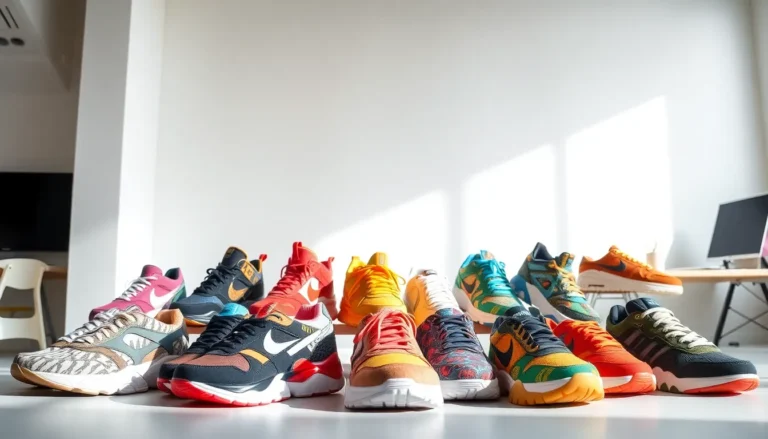
In the late 20th century, fashion incorporated streetwear and athletic influences, integrating comfort into daily wear. Designers began collaborating with artists, blurring the lines between high fashion and everyday clothing. As the internet grew, social media reshaped how trends emerged, giving rise to influencers who redefine style and accessibility.
Currently, sustainability plays a significant role in shaping new trends. Eco-friendly materials and ethical production practices gain importance, as consumers become more conscious of environmental impacts. Vintage styles and thrift shopping see a resurgence, highlighting the desire to blend past and present.
Fashion continually adapts, reflecting an ever-changing cultural landscape. Understanding previous trends offers insights into future styles, revealing patterns in preferences and societal changes. Each era contributes to a rich tapestry of fashion, reinforcing the notion that style is a continuous evolution rather than a static phenomenon.
Historical Perspective
Fashion trends reflect cultural shifts, showcasing changes influenced by societal norms and artistic movements. Each era introduces distinct styles that capture the essence of its time.
The Influence of Culture
Culture plays a vital role in shaping fashion narratives. Historical events, social movements, and artistic innovations directly impact clothing styles. For instance, the Victorian era emphasized modesty influenced by strict societal conventions, while the Roaring Twenties celebrated freedom through bold, expressive designs. In addition, various subcultures have emerged over time, with punk rock in the 1970s introducing a rebellious edge marked by leather jackets and unique accessories. Cultural diversity also enriches fashion with global inspirations, leading to an eclectic mix of trends. As a result, fashion acts as a mirror, reflecting the complexities of societal values and the continually evolving cultural landscape.
Technological Advancements
Technological innovations revolutionize fashion, making it more accessible and diverse. The introduction of synthetic fabrics in the mid-20th century changed garment production, allowing for more creative designs. Additionally, advancements in manufacturing techniques enhance efficiency and reduce costs. The rise of digital platforms transforms how consumers interact with fashion, shifting from traditional marketing to influencer-led strategies. Consequently, social media shapes trends, making them more immediate and global. Furthermore, developments in online shopping create an entirely new retail landscape, allowing consumers to access styles from around the world. As technology progresses, fashion adapts, blending functionality and creativity in unprecedented ways.
Key Milestones in Fashion Evolution
Fashion evolution highlights key moments that shaped industry standards. The history of fashion is marked by significant developments that resonate through time.
The Rise of Haute Couture
Haute couture emerged in the mid-19th century when Charles Frederick Worth founded the first fashion house in Paris. Designers began creating exclusive, custom-fit garments for affluent clients, signaling the birth of luxury fashion. Iconic figures like Coco Chanel and Christian Dior pushed boundaries with innovative designs, introducing styles that defined their eras. The 1920s flapper dresses contrasted sharply with post-war silhouettes of the 1950s. Haute couture houses established a standard for craftsmanship and quality, commanding high prices and exclusivity. Media exposure in the mid-20th century solidified haute couture as a cultural presence, making it synonymous with elegance and sophistication.
The Impact of Social Movements
Social movements have significantly influenced fashion trends throughout history. The suffragette movement in the early 1900s led to women adopting more practical clothing styles, reflecting the shift towards gender equality. During the 1960s, the civil rights movement inspired colorful, bold fashion choices that celebrated cultural identity and expression. The punk rock movement of the 1970s introduced DIY aesthetics and rebellious styles as a form of protest. Environmental awareness in the late 20th century prompted a surge in eco-conscious fashion, reflecting societal concerns over sustainability. Fashion became a medium for individuals to express beliefs, desires, and identities, shaping trends that resonate across generations.
Contemporary Trends
Contemporary fashion trends reflect a blend of innovation and nostalgia, highlighting key shifts in consumer behavior and societal values.
Sustainability in Fashion
Sustainability has become a cornerstone of modern fashion. Eco-friendly materials like organic cotton and recycled fibers are now standard in many collections. Brands such as Stella McCartney and Eileen Fisher lead the way, showcasing commitment to ethical practices. Consumers increasingly prioritize transparency in production, seeking information about sourcing and manufacturing processes. The rise of thrift shopping emphasizes a shift toward circular fashion, where secondhand items gain renewed popularity. Additionally, an emphasis on reducing waste through upcycling is gaining momentum. Timeless pieces designed for longevity resonate with those looking for enduring style rather than fast trends.
The Role of Digital Influencers
Digital influencers play a pivotal role in shaping contemporary fashion trends. Social media platforms like Instagram and TikTok provide a stage for influencers to showcase their unique styles. Engagement from followers often translates into trendsetting, with influencers launching viral fashion challenges and styles. They provide accessible fashion inspiration to diverse audiences, making high fashion relatable. Collaborations between brands and influencers create buzz around new collections, generating excitement and increasing reach. Authenticity remains key; followers connect with influencers who share genuine outfits rather than mere promotions. Shifting dynamics in marketing continue to reshape how brands approach their target consumers in this rapidly evolving landscape.
Future of Fashion Trends
Sustainability emerges as a dominant theme in future fashion trends. Eco-friendly materials and ethical production practices gain traction as consumers prioritize environmental awareness. Brands like Stella McCartney and Eileen Fisher exemplify commitments to transparency and circular fashion, leading industry shifts.
Innovative technologies continue shaping the fashion landscape. 3D printing and virtual reality offer new design possibilities, enabling customization and creativity. Digital platforms enhance consumer interaction, allowing for a more personalized shopping experience.
Streetwear and athleisure remain influential, reflecting a preference for comfort and functionality. As these styles evolve, they incorporate more sophisticated elements, blending casual with chic. Bold colors and patterns become prominent, capturing attention and encouraging self-expression.
Cultural diversity influences future trends, showcasing global inspirations. Designers draw from various cultures, enriching collections with unique aesthetics. Subcultures play an integral role, continuously infusing fresh ideas into mainstream fashion.
The impact of social media persists in shaping trends, primarily through digital influencers. Platforms like TikTok and Instagram redefine how styles are discovered and shared, making fashion more accessible. Authenticity drives followers, as influencers present relatable and aspirational content.
Vintage revival remains strong, creating nostalgia in contemporary designs. Retro styles integrate seamlessly into modern wardrobes, offering a blend of past and present. Sustainability often fuels this trend, with upcycled materials and thrifted items gaining popularity.
Fashion’s adaptability ensures it reflects societal shifts. As cultural landscapes evolve, trends will correspond to consumer values and interests. Understanding current trajectories enables the prediction of future styles, illustrating fashion as a dynamic narrative that persists through time.
Fashion’s journey through time showcases its ability to adapt and reflect societal changes. Each era brings forth new styles that resonate with cultural shifts and consumer values. As trends evolve from opulence to minimalism and sustainability takes center stage, fashion continues to embrace innovation and diversity.
The influence of technology and social media has revolutionized how trends emerge and are consumed, making fashion more accessible than ever. Looking ahead, the blend of vintage revival and contemporary designs promises a rich tapestry of styles that honor the past while paving the way for the future. Fashion remains a vibrant narrative that mirrors the world around it, proving that it will always evolve alongside society.