When it comes to learning a new language, most people think of endless vocabulary lists, convoluted grammar rules, and that one teacher who seemed to take joy in torturing students with verb conjugations. But, innovative language learning methods are reshaping this traditional approach, ushering in a world where learning a language is as engaging as binge-watching a new series on Netflix. Think of it as upgrading your language toolbox, from dusty old flashcards to sleek apps, interactive games, and more. This article explores the innovative techniques that make language learning exciting, effective, and downright enjoyable.
Understanding Language Learning Innovations
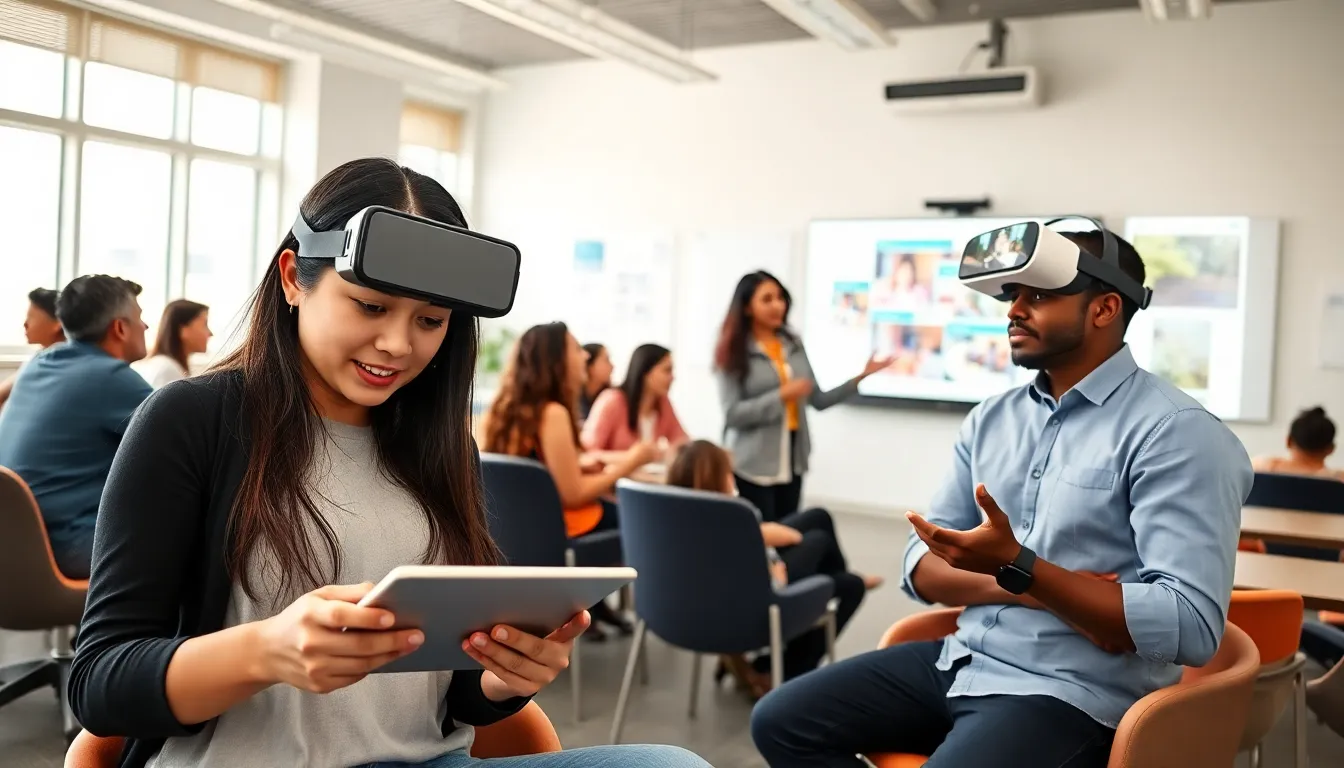
Language learning has evolved significantly over the years. Gone are the days of rigid classroom settings and the dreaded exposure to monotonous drills. Today’s methods leverage cutting-edge science and technology to create dynamic systems that cater to various learning styles. Innovations range from mobile applications that adapt to personal progress, to immersive Virtual Reality (VR) experiences that transport learners straight into a bustling market in Paris. Such advancements make language learning not just a necessity but an adventure.
As educators and innovators blend cognitive psychology with pedagogical techniques, it becomes clear that context and engagement are at the heart of effective learning. Consider the differences between traditional methods that emphasized rote memorization and today’s innovative strategies that prioritize real-world application. The latter empowers learners to continue their journey in a vibrant and engaging way.
The Role of Technology in Language Learning
Technology plays a pivotal role in modern language learning. With smartphones firmly glued to our hands, an array of apps now exists to help language acquisition. These platforms, like Duolingo and Babbel, use advanced algorithms that adapt to individual learning paces and styles. Instant feedback helps learners progress efficiently, breaking down barriers that once discouraged many.
Also, online platforms enable learners to connect with native speakers across the globe. Video calls have removed geographical constraints, allowing someone in Texas to practice Mandarin with a partner in Beijing. Features such as chatbots simulate conversations, providing learners a platform to practice without the fear of judgment, essential for building confidence.
Interactive Language Learning Methods
Interactive methods are the cornerstone of effective language acquisition. Imagine participating in a live online class, where students engage in discussions, play games, and contribute to group projects, all in their target language. Such interactive approaches harness the power of engagement: they transform language learning from a solitary try into a collaborative project.
Role-playing activities further immerse learners. Picture a scenario where a student needs to negotiate prices in a foreign market. Through simulation, they gain practical experience that significantly varies from the textbook method. Learning this way helps students remember vocabulary contextually, which is far more effective than just pulling it from memory.
Gamification in Language Acquisition
Gamification is yet another innovative tool transforming how people learn languages. Integrating game-like elements into language education makes learning feel less like a chore and more like a fun challenge. Popular apps use points, badges, and levels to motivate learners, incorporating a competitive edge that many thrive on.
For instance, users might earn rewards for completing exercises or advancing through levels of difficulty. These strategies not only keep learners engaged but also foster a sense of achievement that traditional methods often lack. Besides, online language games encourage practical usage and quick-thinking, skills essential for real-world conversation.
Personalized Learning Approaches
One-size-fits-all techniques are falling out of favor in language learning. Instead, personalized learning approaches cater to individual needs, preferences, and goals. Language learners can now identify specific areas for improvement, be it grammar, pronunciation, or vocabulary.
Adaptive learning technologies analyze learners’ performance and adjust content in real-time, allowing for customized paths tailored to the learner’s journey. Whether someone wants to focus on business vocabulary or travel phrases, the learning experience can be both relevant and enjoyable. This level of personalization fosters autonomy and boosts motivation: learners become active participants in their education.
Cultural Immersion and Language Learning
Language and culture are intertwined, making cultural immersion an invaluable component of effective language learning. Immersive experiences go beyond mere vocabulary and grammar, teaching learners about traditions, social norms, and communication styles.
Traveling to a country where the target language is spoken provides unparalleled opportunities for practical use. Engaging with locals, participating in festivals, and even navigating daily tasks help learners understand the language in context, fostering deeper connections and realizations. Virtual immersion experiences, facilitated by technology, also allow learners to explore cultures without leaving home. By watching local films, listening to music, and interacting with native speakers, they can internalize language nuances, slang, and idioms that enrich their skills.